
12 Worst Foods for High Blood Pressure


What is High Blood Pressure?
High blood pressure is among the world’s most common health conditions experienced by people of all ages. It happens when the blood flow against the artery walls is so high that it causes a variety of health problems including heart disease.
Sodium and Blood Pressure- What’s the Connection?
Sodium and blood pressure share a strong correlation, and what you eat will eventually determine your health outcomes. High blood pressure patients must avoid sodium-rich foods at all costs because sodium disturbs the body’s water balance, which strains our blood vessels and raises the blood pressure. If you have high blood pressure, the first thing you need to change in your lifestyle is your dietary choices. There are many foods that contain high amount of sodium but people are generally unaware about it.
Here are the top 12 foods that are rich in sodium and those with high blood pressure must avoid them.
Chicken

There is no doubt that Americans love chicken; they can eat it in any form whether grilled or fried, in burgers or sandwiches, and as lunches or dinners. It is perhaps the staple dish in almost every American household. But did you know that chicken is usually injected with saltwater solutions at the time of processing, which increases the sodium content of chicken. That’s the reason chicken is listed on the Centers for Disease Control and Prevention’s (CDC) top ten sodium sources. Yup you hear that right! Just 4oz of skinless and boneless chicken breast contains 40mg to 330mg sodium. This doesn’t mean you should completely eliminate chicken from your daily diet, but you must check the label before purchasing. The sodium content must be less than or equal to 70mg. Typically organically raised chicken have a bit less sodium content in them, but not by much.
Deli Meat and Bacon
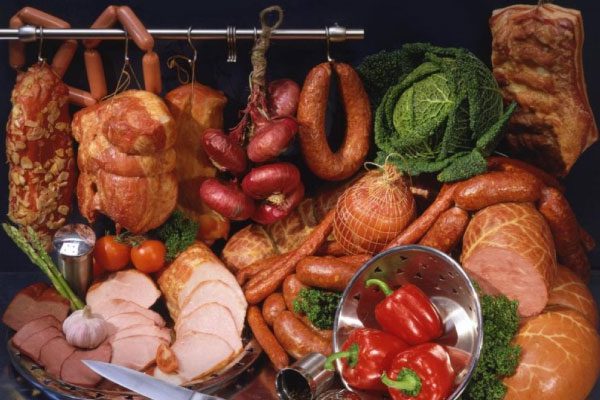
There are a variety of deli counter items that people consume on a daily basis such as ham, roasted beef, and bacon. It doesn’t really matter which item you choose to eat, because all of them have high amount of sodium even their low-salt variety. According to the American Heart Association, just six slices of deli meat can provide half of its recommended amount of sodium per day, which is 1.500mg while the full amount is 2,300mg. Just two thin strips of bacon contain 330mg sodium, which should be concerning for high blood pressure patients.
Sandwiches
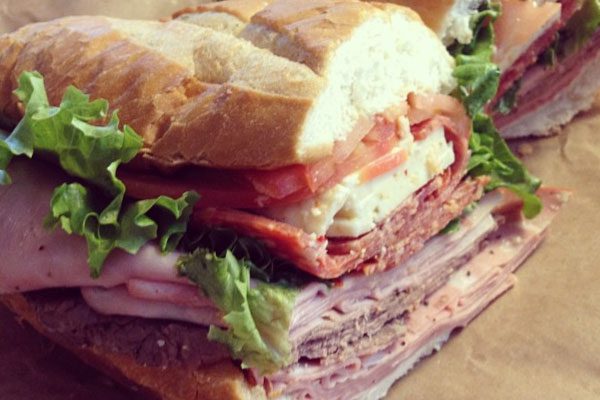
Who doesn’t like a sandwich? Sandwiches represent a very broad category of foods and it is difficult to list any one sandwich that is high in sodium. Generally, almost all the components used in classic sandwiches contain high amount of sodium. For example, a standard turkey sandwich made with whole-wheat bread, a cheddar slice, mayonnaise, and pickle has a sodium count of about 1,315 mg, which is certainly high. However, sandwiches aren’t that bad especially if you use fresh vegetables and exclude mayo and cheese.
Bread
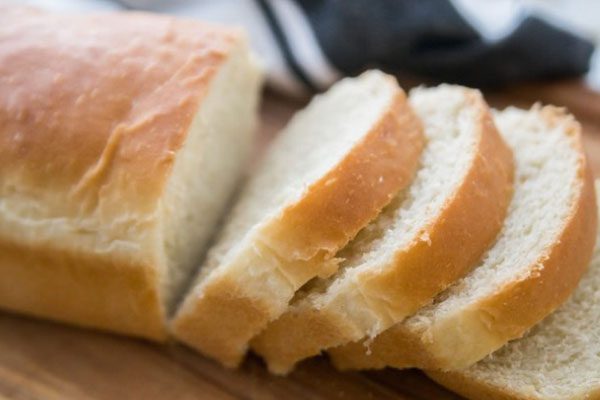
The American Heart Association (AHA) has listed Yeast Breads at the first place in its list of high sodium foods. Yeast breads include wraps, bagels, rolls, and flour tortillas. According to AHA a single slice of 100% Whole Wheat Sandwich Bread from Whole Foods has as much sodium as in 22 potato chips. Therefore, when shopping for bread, you should select loaves containing a DV (daily value) of 5% or less per day since 20% daily value is considered too high.
Canned Soup
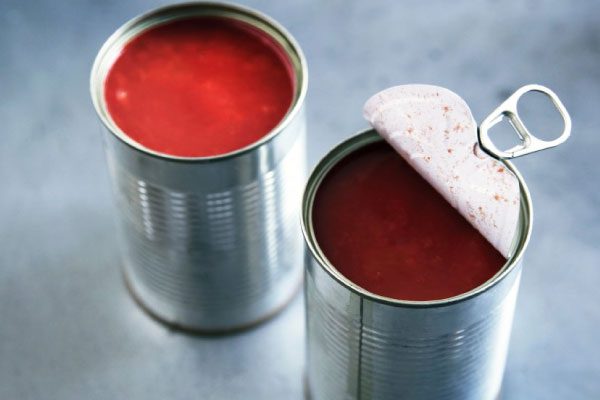
It is a general concept that modern food preservation techniques don’t involve the use of salt, which is sadly, not the case. Since foods release their flavor while they are cooked, sterilized, and canned, manufacturers usually add high amount of salt to compensate for the lost flavor. One can of soup contains somewhere between 100mg and 940mg of sodium, that’s a lot of sodium for a cup of soup… isn’t it? People with high blood pressure should prefer the low sodium, unsalted, or sodium-free variety of canned soups. Low sodium canned soup contains approx. 140mg or less sodium. Broth-based soups can be easily diluted with low-sodium or unsalted broth.
Alcohol

Research suggests that just one serving of alcoholic beverage in a day can twofold the rate of blood pressure and make the person vulnerable to developing high blood pressure. It happens because one glass of alcohol is enough to stimulate the autonomous nervous system’s sympathetic nerves, which increases the cortisol level in the body and disrupt the vascular inflammatory system balance. Imagine what would happen if you consume more than one glass of alcohol for a whole week. It is better to avoid alcoholic beverages to stay healthy and let your autonomous nervous system work properly.
Beverages with Artificial Sweeteners
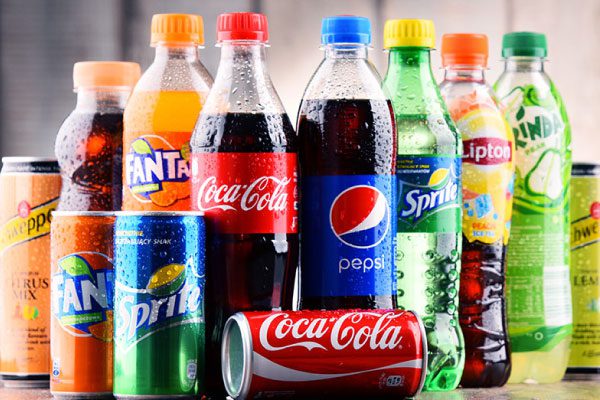
Soda drinks contain empty calories but their high sugar count can also cause substantial damage to your body. Just one 12-ounce can of Coke offer four times higher amount of sugar than the ideal daily requirement. A study from the American Journal of Clinical Nutrition identified that only one serving of sugar rich beverage can increase your blood pressure tremendously. In another study from Nutrients, just 2 to 3 teaspoons reduction in daily sugar intake leads to considerable drop in hypertension readings. Hence, you must avoid sugar-sweetened beverages if you want to prevent hypertension and cardiovascular disease.
Restaurant Meals
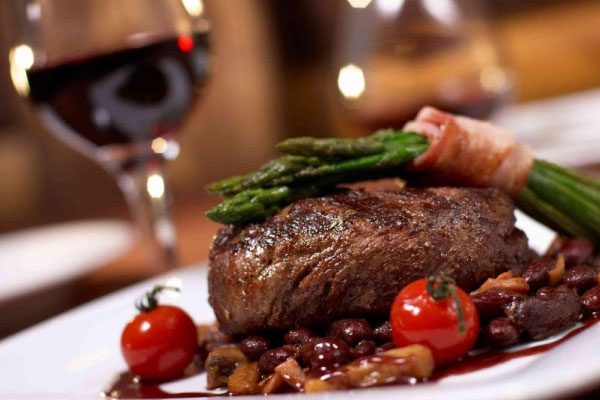
Eating out is perhaps the favorite weekend activity of people around the world, and there is no harm in dining at restaurants every now and then. However, when it becomes a habit, that’s when the problem arises. If you want to avoid high blood pressure, you should reduce the frequency of eating restaurant meals and limit it for special occasions like anniversary dinner or birthdays. Do you know that about 71% of the sodium intake of people comes from restaurant meals? As per the findings of a study, fast food contains 6 times more sodium than home-cooked meals. If you have to eat out, only order the lunch items and avoid ordering smoked, pickled, and cured items or those containing soy sauce.
Frozen Meals
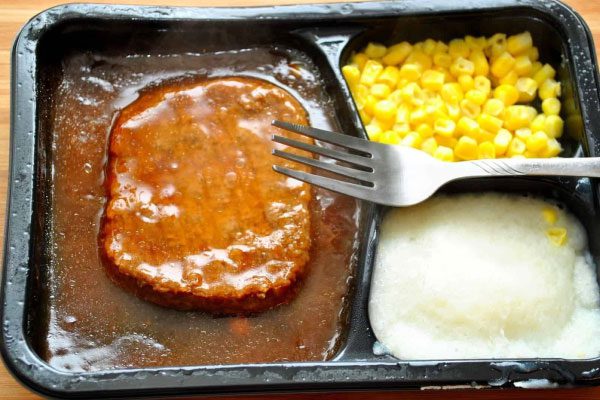
Nothing can be as comforting as having ready-to-eat meals in your freezer, all you have to do is heat them up in the microwave and enjoy the dinner. But, there is a hitch; frozen meals are referred to as salt bombs; foods like pizzas or pastas contain high amount of sodium. Even the low-calorie variety of frozen meals from healthy brands are rich in sodium because to decrease the fat content they have to add more salt to enhance the flavor. Hence, you must check the label and avoid buying anything that has over 600mg of sodium. The best thing, however, would be to rely on home-cooked meals and consume the frozen variety only occasionally.
Sauces and Condiments
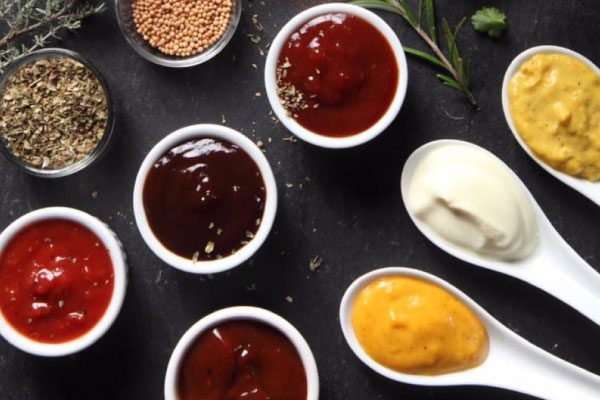
If you think that by avoiding that bottle of table salt sitting on your dining table you are doing yourself a huge favour, you are totally mistaken. The condiments you use to compensate for the table salt and to add flavor to the meals are packed with sodium. These include salad dressings and packaged sauces. These items are usually high in added sugar and saturated fats. Always remember that DIY methods like humus are way better than packaged items especially for condiments. Also, keep a check on the serving size. Never add more than one tablespoon of dressing or sauce per serving and always buy the low-sodium and sugar-free versions.
Pizza
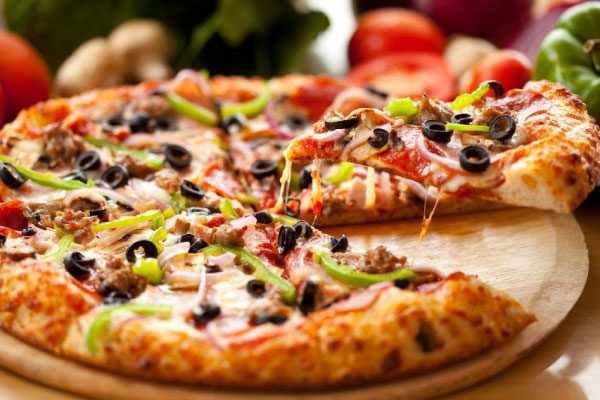
Who doesn’t like pizza? It is the most widely preferred foods by working professionals and children alike. But, the problem is that only a single slice of pepperoni and cheese pizza contains around half of the daily recommended dose of sodium. The case is no different for the all-veg pizzas. For example, just one slice of Deep-Dish Vegetable Pizza from Domino’s has 616mg of sodium and the Veggie Lovers Pan Pizza from Pizza Hut contains 512mg. That’s the amount of sodium you receive from one slice of veggie pizza, and it is quite difficult to not eat more than one pizza slice….no?
Salty Snacks
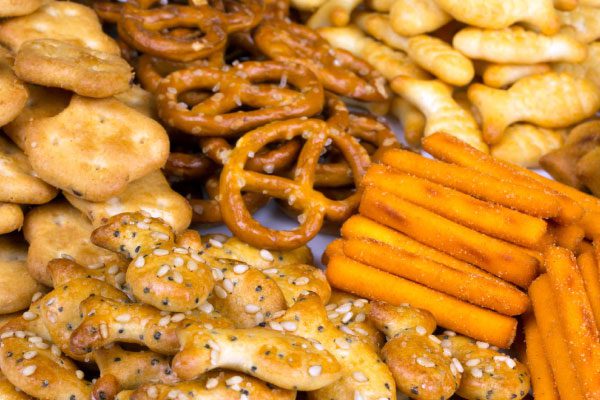
Snacks like popcorn, chips, crackers, snack mixes, and pretzels all are sodium-rich foods and even the low-sodium or reduced sodium variety is also not too low in salt because it only offers 25% less sodium than the normal variety. If you must eat snacks, go for the one that contain less than 140mg of sodium per serving. Even better idea would be to make them at home or switch to healthier snacking choices like dry nuts, beans or avocados.